
Are Cracks in Walls Normal or a Sign of Foundation Damage in DFW Homes?
How to Tell the Difference Between Cosmetic Cracks and Structural Issues
If you have noticed cracks in your walls, you are not alone. Many homeowners across the Dallas Fort Worth area see cracks appear over time and wonder whether they are harmless or a sign of something more serious. The truth is, some cracks are normal, but others can indicate underlying foundation problems that should not be ignored.
At Steady House Foundation Repair, we help homeowners throughout DFW understand what their homes are telling them. Our team takes pride in providing honest assessments, clear explanations, and long-term solutions tailored to North Texas conditions. We know that seeing cracks in your walls can be concerning, and our goal is to give you peace of mind with accurate information and reliable service.
Because of the expansive clay soil and changing weather patterns in areas like Plano, Dallas, and Fort Worth, homes naturally experience some movement. The key is knowing when that movement is within normal limits and when it may point to foundation damage. In this guide, we will break down the difference and help you know what to look for.
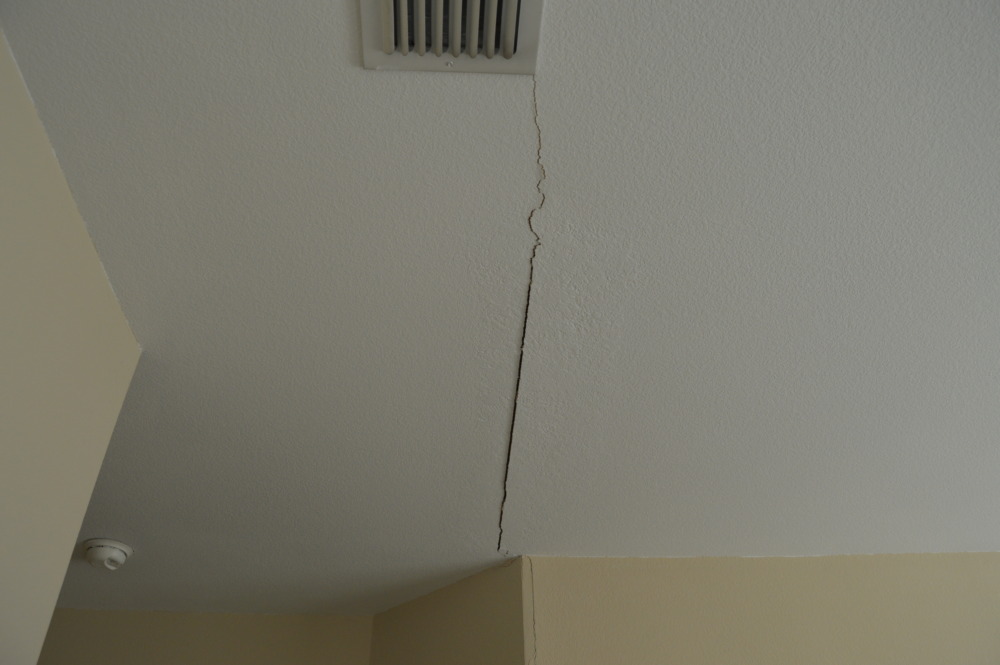
Why Wall Cracks Are Common in North Texas Homes
Before assuming the worst, it is important to understand that not all wall cracks mean foundation damage. Homes naturally settle over time, especially within the first few years after construction.
In North Texas, soil movement adds another layer to the equation. The clay soil expands when wet and shrinks when dry, which can cause minor shifting in a home’s structure.
Because of this, small cracks are relatively common in DFW homes. However, the challenge is determining when those cracks go beyond normal settling.
Types of Cracks That Are Usually Normal
Some cracks are cosmetic and do not indicate structural issues. These are typically minor and may not change significantly over time.
Common Cosmetic Cracks
- Thin hairline cracks in drywall
- Small vertical cracks above doors or windows
- Cracks that appear shortly after new construction
These types of cracks are often caused by natural settling or minor temperature changes. In many cases, they can be repaired with simple cosmetic fixes.
What to Watch For
If these cracks remain small and do not grow or spread, they are usually not a cause for concern.
Warning Signs of Foundation Damage
While some cracks are harmless, others can signal more serious foundation problems. The size, shape, and location of the crack can provide important clues.
Cracks That May Indicate Foundation Issues
- Wide cracks, especially larger than a quarter inch
- Diagonal cracks that run across walls
- Cracks that continue to grow over time
- Multiple cracks appearing in different areas of the home
Additional Red Flags
- Doors and windows that stick or do not close properly
- Uneven or sloping floors
- Gaps between walls and ceilings or floors
In areas like Frisco, McKinney, and Arlington, where soil movement is common, these signs often point to shifting foundations rather than simple settling.
Why Foundation Movement Causes Cracks
Foundation movement is one of the primary reasons cracks appear in walls. When the soil beneath your home shifts, it can cause the foundation to move unevenly.
This movement creates stress on the structure, which often shows up as cracks in drywall, ceilings, or even exterior brick.
Common Causes of Foundation Movement
- Expansive clay soil reacting to moisture changes
- Poor drainage around the home
- Drought conditions followed by heavy rain
- Tree roots drawing moisture from the soil
Because these factors are common in North Texas, foundation-related cracks are something homeowners should take seriously.
How to Monitor Cracks in Your Home
If you are unsure whether a crack is serious, monitoring it over time can provide helpful insight.
Simple Monitoring Tips
- Measure the width of the crack and check it regularly
- Take photos to track any changes
- Look for new cracks forming nearby
When to Take Action
If the crack grows, spreads, or is accompanied by other warning signs, it is best to have a professional evaluation.
Catching foundation issues early can prevent more extensive and costly repairs later.
The Importance of a Professional Inspection
While it may be tempting to assume a crack is minor, a professional inspection provides clarity and peace of mind.
At Steady House Foundation Repair, we conduct thorough evaluations to determine whether cracks are cosmetic or structural. Our team looks at the entire picture, including soil conditions, drainage, and structural alignment.
What You Can Expect
- A detailed assessment of your home
- Clear explanation of findings
- Honest recommendations based on your situation
Our goal is to help you understand what is happening and guide you toward the right solution.
Preventing Future Foundation Issues
While not all foundation problems can be avoided, there are steps homeowners can take to reduce risk.
Prevention Tips
- Maintain consistent moisture levels around your foundation
- Ensure proper drainage away from your home
- Keep gutters clean and functioning
- Avoid planting large trees too close to the foundation
In North Texas, managing water around your home is one of the most effective ways to protect your foundation.
The Steady House Foundation Repair Difference
We know that foundation concerns can feel overwhelming. That is why our approach is centered on transparency, expertise, and long-term solutions.
Homeowners across the Dallas Fort Worth area trust us because we:
- Provide honest assessments without unnecessary repairs
- Understand local soil and climate challenges
- Focus on solutions that protect your home over time
Our team is committed to helping you feel confident in your home’s stability.
The Bottom Line
Cracks in walls can be normal, but they can also be a sign of foundation damage. The key is knowing the difference.
Small, stable cracks are often cosmetic, while larger, growing, or widespread cracks may indicate a deeper issue. In a region like DFW, where soil movement is common, it is important to stay proactive.
When in doubt, having a professional take a look is always the safest choice.
Concerned About Cracks in Your Walls?
If you are unsure whether the cracks in your home are normal or a sign of foundation damage, Steady House Foundation Repair is here to help.
Our team will evaluate your home, explain what is happening, and provide solutions you can trust.
Ready to get started? Contact us today to schedule your inspection and protect your home’s foundation.