
What Causes Foundation Problems in North Texas Homes? Key Issues Every Homeowner Should Know
Understanding Foundation Damage in DFW Homes and How to Prevent It
If you own a home in the Dallas Fort Worth area, foundation issues are not just a possibility, they are something every homeowner should be aware of. North Texas is known for its unique soil conditions and unpredictable weather patterns, both of which can have a significant impact on your home’s foundation over time.
At Steady House Foundation Repair, we specialize in helping homeowners identify, understand, and resolve foundation problems before they become major structural concerns. Our team is committed to honest assessments, long-term solutions, and protecting the integrity of your home. Whether you live in Plano, Dallas, Fort Worth, or surrounding communities, we understand the local conditions that affect your foundation.
Many homeowners are surprised to learn that foundation problems often develop slowly and are caused by a combination of environmental and structural factors. In this guide, we will break down the most common causes of foundation problems in North Texas homes and what you can do to protect your property.
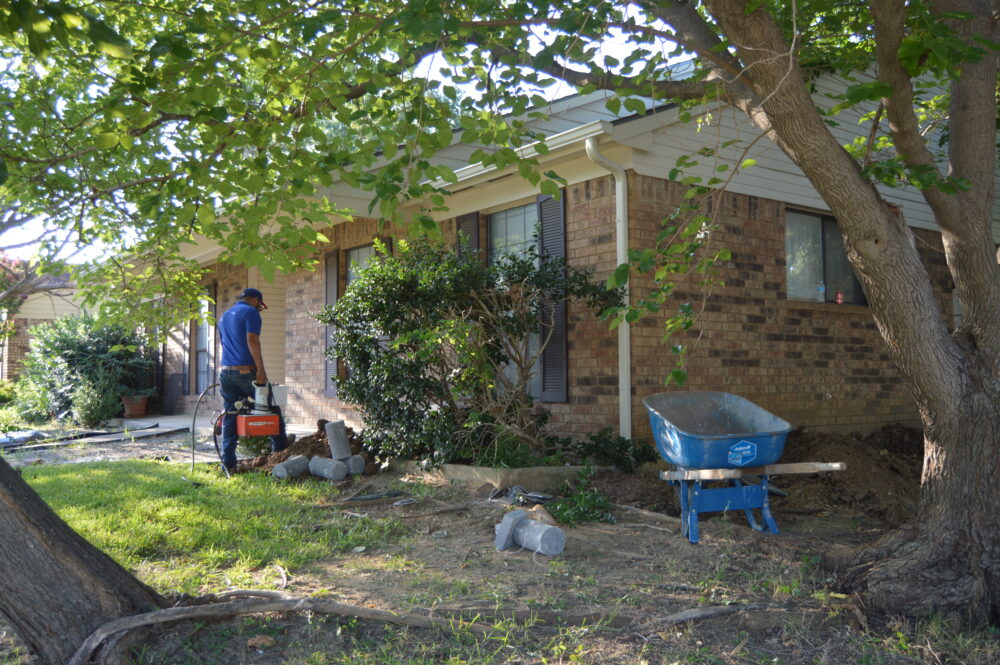
Why Foundation Problems Are Common in North Texas
Foundation issues are more common in DFW than in many other parts of the country. The main reason is the region’s expansive clay soil, which reacts dramatically to changes in moisture levels.
When the soil absorbs water, it expands. When it dries out, it shrinks. This constant movement creates stress on your home’s foundation, leading to shifting, cracking, and uneven settling.
In areas like Frisco, McKinney, and Arlington, where rapid development meets challenging soil conditions, this movement is especially noticeable. Over time, even well-built homes can experience foundation stress if these factors are not managed properly.
Expansive Clay Soil and Soil Movement
The number one cause of foundation problems in North Texas homes is expansive clay soil. This type of soil is highly reactive to moisture changes, which makes it unpredictable.
How Soil Movement Affects Your Foundation
- Soil expands during heavy rain, pushing against your foundation
- Soil shrinks during dry periods, creating gaps beneath the structure
- Uneven moisture levels cause parts of the foundation to shift differently
The Cycle of Expansion and Contraction
This repeated cycle can cause foundations to move up and down over time. Even small shifts can lead to cracks in walls, floors, and the foundation itself.
Managing soil moisture around your home is one of the most important steps in preventing damage.
Poor Drainage Around the Home
Water management plays a critical role in foundation health. Poor drainage can lead to excess moisture collecting around your foundation, which increases soil expansion and pressure.
Common Drainage Issues
- Improper grading that directs water toward the home
- Clogged or missing gutters
- Standing water near the foundation
In neighborhoods across Dallas and Fort Worth, heavy rainstorms can quickly overwhelm drainage systems. Without proper runoff control, water can saturate the soil and create uneven pressure on your foundation.
Why Drainage Matters
Consistent moisture levels are key. Too much water or too little can both cause problems. Proper drainage helps maintain balance and reduce soil movement.
Drought Conditions and Dry Soil
While excess water is a problem, drought conditions can be just as damaging. North Texas often experiences long dry periods, especially during the summer months.
As the soil dries out, it contracts and pulls away from the foundation. This creates empty spaces that allow the foundation to settle unevenly.
Effects of Dry Soil
- Gaps between soil and foundation
- Increased risk of settling and cracking
- Stress on structural components
This is why maintaining consistent moisture levels, even during dry seasons, is important for foundation stability.
Tree Roots and Landscaping Factors
Landscaping can also contribute to foundation problems, especially when trees are planted too close to the home.
Tree roots absorb large amounts of water from the soil, which can lead to uneven moisture levels. This is particularly common in established neighborhoods with mature trees.
Landscaping Considerations
- Trees placed too close to the foundation
- Uneven watering patterns in the yard
- Poorly planned irrigation systems
Balancing Water Usage
While trees add beauty and shade, they can also impact soil conditions. Proper planning and maintenance help reduce the risk.
Plumbing Leaks and Hidden Water Sources
Undetected plumbing leaks beneath your home can introduce excess moisture into the soil. This can cause localized expansion that puts pressure on specific areas of the foundation.
Signs of Possible Leaks
- Unexplained increases in water bills
- Damp or soft areas in the yard
- Cracks forming in specific sections of the home
Addressing leaks early can prevent further damage and reduce the risk of foundation movement.
Construction and Soil Preparation Issues
In some cases, foundation problems may stem from the original construction process. If the soil was not properly compacted or prepared, the foundation may be more susceptible to movement.
Common Construction Factors
- Poor soil compaction before building
- Inadequate foundation design for local conditions
- Lack of proper drainage planning
While homeowners cannot control past construction, understanding these factors can help guide repair and prevention efforts.
How to Protect Your Foundation
While you cannot change the soil or climate, there are steps you can take to reduce the risk of foundation problems.
Practical Prevention Tips
- Maintain consistent soil moisture with regular watering
- Ensure proper drainage away from your home
- Keep gutters clean and functional
- Monitor for early signs of cracks or movement
Regular Inspections Matter
Catching issues early can prevent more serious damage. Professional inspections help identify problems before they worsen.
The Steady House Foundation Repair Approach
At Steady House Foundation Repair, we understand that every home is different. Our team takes a detailed and honest approach to diagnosing foundation issues and recommending the right solution.
We focus on:
- Thorough inspections to identify root causes
- Clear explanations so homeowners understand their options
- Long-term repair solutions designed for North Texas conditions
Our goal is to provide peace of mind by ensuring your home’s foundation is stable and secure.
The Bottom Line
Foundation problems in North Texas homes are often caused by a combination of soil movement, weather conditions, drainage issues, and environmental factors. Understanding these causes is the first step in protecting your home.
By staying proactive and addressing issues early, homeowners can reduce the risk of costly repairs and maintain the structural integrity of their property.
Concerned About Your Foundation?
If you are noticing signs of foundation problems or want to better understand your home’s condition, Steady House Foundation Repair is here to help.
Our team will assess your situation, explain your options, and provide solutions designed to last.
Ready to get started? Contact us today to schedule your inspection and protect your home’s foundation.