
How Can You Tell If Foundation Damage Is Getting Worse?
Foundation damage may be getting worse if existing cracks are widening or lengthening, new cracks keep appearing, floors become more uneven, doors and windows become harder to operate, or gaps develop between walls, ceilings, floors, and trim. Progressive changes over weeks or months are generally more concerning than a small crack or imperfection that remains stable.
At Steady House Foundation Repair, we know it can be difficult for homeowners to determine whether a foundation symptom is simply something to watch or evidence of an ongoing problem. A crack that looks alarming is not always a sign of serious structural damage, while subtle changes throughout a home can sometimes reveal significant movement. That is why evaluating foundation problems requires looking at the entire structure, not just one crack. By documenting changes and recognizing patterns, homeowners can provide valuable information during a professional foundation evaluation and make more informed decisions about potential repairs.
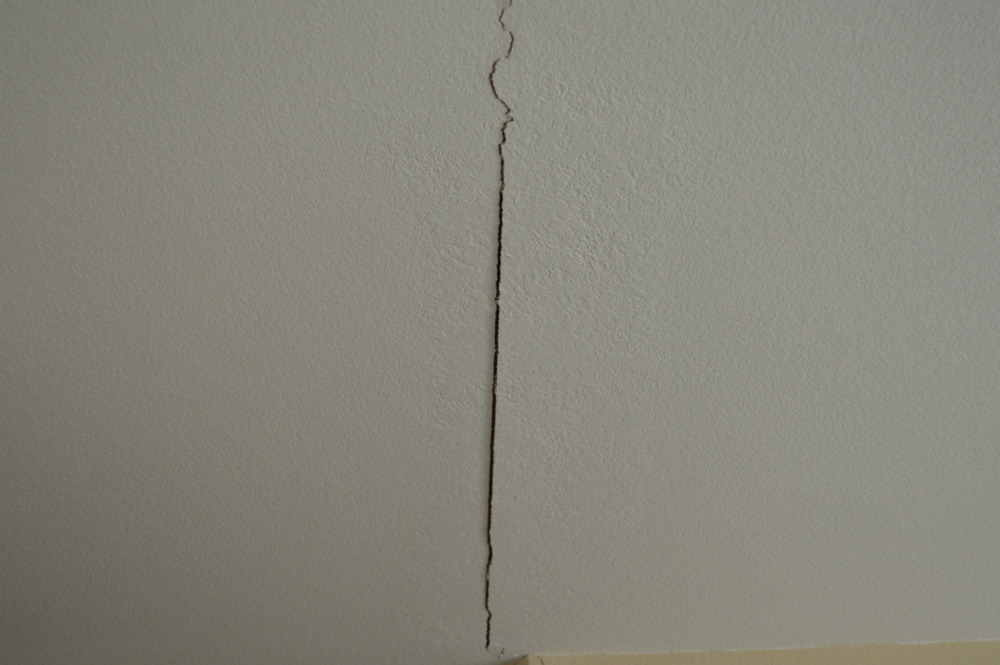
Signs of Progressive Foundation Damage You Should Monitor
The clearest indication that foundation damage is getting worse is measurable change over time. Instead of focusing only on whether a symptom exists, pay attention to whether it is growing, spreading, or being joined by other problems.
HUD’s National Standards for the Physical Inspection of Real Estate identify foundation cracks, unlevel floors, and windows or doors that do not function properly as potential indicators of foundation damage. HUD also notes that a cracked foundation may indicate potential structural failure.
How Do You Know If a Foundation Crack Is Getting Worse?
A foundation crack is more concerning when it becomes wider, longer, displaced, or is joined by additional cracks.
Not every crack means the foundation is failing. Small cracks can remain unchanged for years. What matters is whether the crack is actively changing.
Watch for:
- A crack that is visibly wider than it was previously
- Cracks extending farther across concrete, drywall, brick, or masonry
- New branches developing from an existing crack
- One side of a crack becoming higher or farther forward than the other
- New cracks appearing near doors and windows
- Several cracks developing in the same area of the house
For context, HUD’s NSPIRE foundation standard identifies a crack at least 1/4 inch wide and 12 inches long as a deficiency under its inspection criteria. That is not a universal threshold for deciding whether a private home requires foundation repair, but it demonstrates why the size and extent of cracking matter during an evaluation.
A simple monitoring technique can help. Photograph noticeable cracks with a ruler or tape measure beside them, record the date, and repeat the photo from approximately the same position. This creates a record that can show whether the crack is actually changing.
Are More Sticking Doors and Windows a Sign of Foundation Movement?
Yes, an increasing number of sticking or misaligned doors and windows can indicate that movement is affecting the home’s framing.
A single sticking door may be caused by humidity, hinges, or ordinary wear. The situation becomes more noteworthy when a door that previously worked properly suddenly will not latch, or several doors and windows begin experiencing problems.
Look for changes such as:
- Doors rubbing against their frames
- Latches that no longer line up
- Windows becoming increasingly difficult to open
- Gaps developing around frames
- Cracks forming near the corners of doors and windows
HUD specifically includes doors and windows that do not open or close properly among characteristics inspectors may observe when identifying foundation problems.
The pattern is especially useful. If cracks, sticking doors, and uneven floors are all developing in the same portion of the house, there is more reason to investigate than if one door occasionally sticks.
What Does It Mean If Your Floors Are Becoming More Uneven?
Floors that are noticeably becoming more sloped, sagging, or uneven can indicate continued movement beneath or within the structure.
Foundation problems can affect floor elevations gradually. Homeowners sometimes become accustomed to a slightly uneven floor, which makes changes difficult to notice until the slope becomes significant.
Pay attention if:
- A previously level area develops a noticeable slope
- Furniture begins sitting unevenly
- Flooring develops new gaps or buckling
- Baseboards begin separating from the floor
- Floor changes occur alongside new wall cracks
HUD inspection materials identify unlevel floors as a potential indicator associated with foundation cracking. Other HUD structural guidance recommends checking whether floors are level, sagging, or cracking when evaluating structural damage.
A professional foundation evaluation can include measurements that provide a more objective picture of elevation differences throughout the home.
Why Are New Gaps and Separations Appearing Around the House?
New or expanding gaps can indicate that different portions of the structure are moving relative to one another.
Watch areas where different building components meet. Changes may appear where walls meet ceilings, floors, cabinets, countertops, trim, windows, or exterior masonry.
Potential warning signs include:
- Walls separating from ceilings
- Baseboards pulling away from flooring
- Cabinets separating from walls
- Exterior brick or masonry gaps increasing
- Trim separating around doors or windows
- Interior cracks reopening after previous cosmetic repairs
One isolated cosmetic gap does not automatically mean the foundation is damaged. Multiple changes that appear or worsen together are more significant because they can indicate a broader movement pattern.
How Fast Can Foundation Damage Get Worse?
There is no universal timeline for foundation damage. Movement can remain relatively stable for long periods or change more noticeably when soil, moisture, drainage, or structural conditions change.
Soil conditions are one reason foundation movement can vary. The U.S. Geological Survey documents that expansive soils can undergo volume changes as moisture conditions vary, and research has documented cases where differential soil movement resulted in foundation failures and pavement deformation.
Homeowners should therefore look beyond the interior of the house. Check for:
- Water consistently pooling near the foundation
- Downspouts discharging beside the home
- Erosion around foundation areas
- Plumbing leaks or unexplained wet spots
- Significant changes following prolonged dry or wet periods
HUD housing guidance also identifies surface water in crawl spaces or water running against a house as a drainage problem that can contribute to serious property concerns.
Correcting drainage or moisture issues may be an important part of addressing the conditions affecting a foundation, depending on what an inspection finds.
How to Track Foundation Movement at Home
The best way to determine whether suspected foundation damage is changing is to create a consistent record rather than relying on memory.
Use this simple process:
- Photograph cracks and gaps. Include a ruler or another consistent reference for scale.
- Write down the date. Keep your photos organized chronologically.
- Measure noticeable cracks. Record their approximate width and length.
- Check doors and windows. Note which ones stick, rub, or fail to latch.
- Watch floors and trim. Look for new slopes, gaps, or separations.
- Inspect the exterior. Check brick, foundation walls, drainage, and areas where water collects.
- Compare regularly. If symptoms are progressing, schedule a professional evaluation.
Avoid repeatedly patching cracks without understanding why they are occurring. Cosmetic repairs can hide evidence that would otherwise help identify a pattern of movement.
Frequently Asked Questions About Worsening Foundation Damage
Do foundation cracks always get worse?
No. Some cracks remain stable and do not indicate continuing structural movement. A crack that becomes wider, longer, displaced, or is accompanied by other symptoms deserves professional evaluation.
How can I tell if a crack has changed?
Take dated photographs with a ruler or measuring tape next to the crack and record its approximate dimensions. Comparing measurements and photographs over time is more reliable than trying to remember what the crack looked like months earlier.
Should I worry if more doors are starting to stick?
Several doors or windows becoming difficult to operate, particularly when combined with cracks or uneven floors, can indicate structural movement. HUD specifically recognizes malfunctioning doors and windows as possible characteristics associated with foundation damage.
When should I call a foundation repair professional?
Schedule an evaluation when cracks or gaps are noticeably growing, new symptoms continue appearing, floors become increasingly uneven, or multiple warning signs develop together. If the structure appears visibly unstable, leaning, significantly displaced, or unsafe, prioritize safety and seek appropriate professional assistance.
Is Your Foundation Damage Changing? Get It Checked
Foundation damage is often easier to evaluate when you have a clear record of what has changed and how quickly it changed. Widening cracks, increasing floor unevenness, sticking doors, new gaps, and multiple symptoms developing together are all reasons to investigate rather than simply covering up the visible damage.
Noticing changes around your home? Contact Steady House Foundation Repair to schedule a professional foundation evaluation and find out whether the movement requires attention.