
What Are the Warning Signs Your Home Needs Immediate Foundation Repair?
Your home may need immediate foundation repair if you notice rapidly widening cracks, uneven or sinking floors, doors and windows suddenly sticking, walls separating from ceilings or floors, visible foundation displacement, or multiple symptoms appearing at the same time. These signs can indicate significant foundation movement, and prompt professional evaluation can help determine the cause before structural damage progresses.
At Steady House Foundation Repair, we understand that discovering foundation warning signs can leave homeowners wondering what is serious and what is simply normal settling. The key is not to assume that every crack means major foundation failure, but also not to ignore changes that are getting worse. An experienced foundation evaluation looks at the entire structure, including crack patterns, floor elevations, drainage conditions, soil movement, and other symptoms. By identifying the source of the movement instead of focusing on one isolated symptom, homeowners can make informed decisions about whether foundation repair is necessary and how quickly they should act.
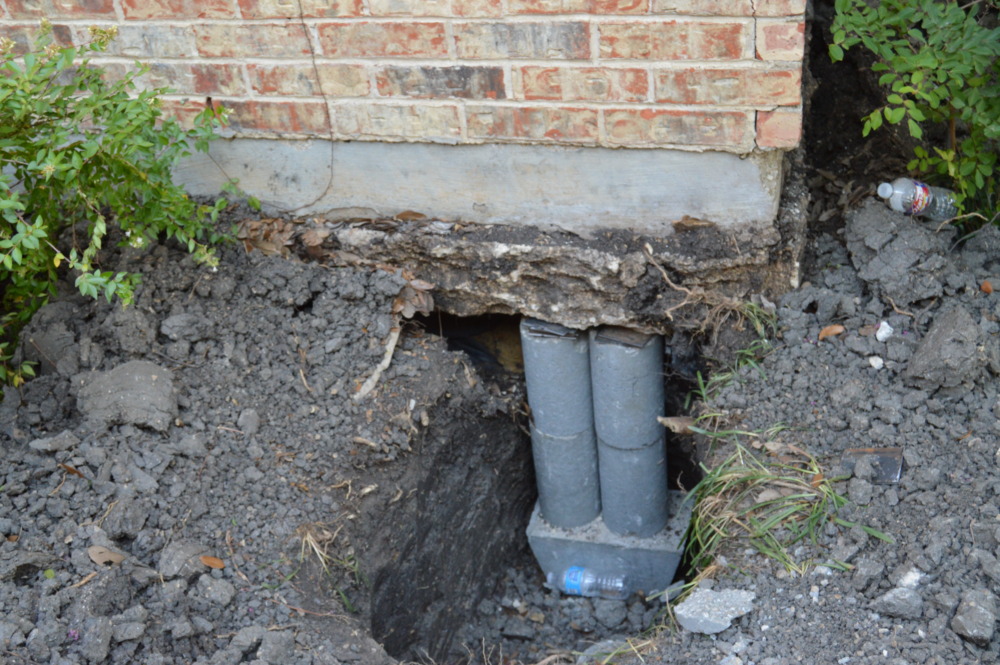
Serious Foundation Problems: How Do You Know When to Act?
Some foundation movement and minor cracking can occur without requiring immediate repair. The warning signs become more concerning when they are new, severe, progressing quickly, or occurring together.
HUD inspection guidance identifies foundation cracks, unlevel floors, and doors or windows that do not function properly as potential indicators of foundation problems. HUD also notes that a cracked foundation may indicate potential structural failure.
Which Foundation Cracks Should You Be Concerned About?
Large, widening, displaced, or rapidly changing cracks deserve professional attention, especially when accompanied by other signs of movement.
A tiny, stable crack is not automatically evidence that your foundation needs repair. Cracks become more concerning when you notice:
- Cracks that are noticeably getting wider or longer
- Stair-step cracking through brick or masonry
- Cracks accompanied by separation or displacement
- Multiple new cracks developing within a short period
- Cracks combined with uneven floors, sticking doors, or wall separation
- Cracks that allow moisture into the structure
As a useful point of reference, HUD’s physical inspection standards identify a foundation crack at least 1/4 inch wide and 12 inches long as a deficiency under its NSPIRE criteria. Separate HUD guidance classifies cracks exceeding 3/8 inch in width or depth as severe and potentially indicative of a serious structural problem. These are inspection standards rather than universal residential repair thresholds, but they illustrate why significant cracks should not simply be ignored.
The most important factor is often change over time. Take dated photos and measure noticeable cracks periodically. If a crack continues growing, schedule a professional foundation evaluation.
Why Are My Doors and Windows Suddenly Sticking?
Doors and windows that suddenly become difficult to open or close can indicate that foundation movement is changing the shape of their frames.
One stubborn door by itself does not prove that you have foundation trouble. Humidity, worn hinges, and normal changes in building materials can also affect doors and windows.
Pay closer attention when several doors or windows begin sticking or when you also notice:
- Doors that swing open or closed on their own
- Gaps around window or door frames
- Doors that no longer latch properly
- Cracks extending from the corners of openings
- Frames that appear visibly out of square
HUD specifically includes windows and doors that do not open or close properly among characteristics that may accompany foundation damage.
When several openings throughout one portion of the house suddenly stop functioning normally, the pattern is more important than any individual door or window.
Are Uneven or Sinking Floors an Urgent Foundation Warning Sign?
Noticeably sloping, sagging, or newly uneven floors should be investigated, particularly when the change appears to be progressing.
Foundation settlement does not always announce itself with a dramatic exterior crack. Sometimes the changes are easier to feel inside the home.
Watch for floors that:
- Feel noticeably sloped while walking
- Develop new dips or raised areas
- Pull away from baseboards or walls
- Cause furniture to sit noticeably unevenly
- Change along with cracks in walls or ceilings
HUD structural-damage guidance lists sagging or buckled floors, floors separating from walls, and floors and ceilings that are no longer level among potential evidence of structural damage.
These symptoms do not identify the underlying cause on their own, which is why an inspection is important before deciding on repairs.
What Does Wall, Ceiling, or Exterior Separation Mean?
Visible gaps where walls meet ceilings, floors, cabinets, trim, or exterior materials can indicate differential movement within the structure.
These separations become particularly important when they appear suddenly or continue getting larger.
Outside the home, homeowners should also watch for brick separation, widening mortar cracks, gaps around windows, or areas where exterior materials appear to be pulling apart.
The goal is to identify a pattern. One cosmetic gap may have a simple explanation. Multiple separations concentrated in the same part of the house, combined with floor changes or sticking doors, make foundation movement more likely and warrant professional evaluation.
Why Can Foundation Problems Get Worse Quickly?
Changes in soil moisture, drainage, plumbing leaks, and weather conditions can contribute to soil movement beneath a foundation.
Expansive soil is especially sensitive to moisture. It swells as it absorbs water and shrinks as it dries, which can move the structures supported above it. TxDOT notes that Texas has some of the most expansive soils in the country and that these soils can cause significant distress. TxDOT geotechnical materials also identify drainage, ponding water, plumbing leaks, and vegetation as factors capable of changing soil moisture conditions.
That is why homeowners should pay attention to conditions around the property as well as cracks inside the house.
Practical steps include:
- Check drainage. Water should not consistently collect beside the foundation.
- Investigate plumbing leaks. Unexplained water usage or persistent wet areas deserve attention.
- Document changes. Photograph cracks and gaps so you can determine whether they are progressing.
- Look for patterns. Multiple symptoms are generally more informative than one isolated crack.
- Schedule an evaluation when changes are significant or worsening. Early diagnosis gives you more information before the problem progresses.
When Should You Call a Foundation Repair Professional?
You should arrange a professional evaluation promptly when foundation-related symptoms are severe, worsening, or occurring in multiple areas of the home.
Do not wait for a crack to become dramatic before asking questions. Foundation problems are often easier to understand when an inspector can evaluate the earlier stages of movement and compare symptoms throughout the property.
If there are signs of possible structural instability, such as severely displaced walls, a visibly sinking or leaning foundation, major structural separation, or significant sagging, prioritize safety. HUD disaster-recovery guidance advises against entering buildings that may have structural damage.
A professional evaluation can help distinguish between cosmetic cracking, normal movement, drainage-related issues, and foundation conditions that actually require repair.
Frequently Asked Questions About Urgent Foundation Problems
Does every foundation crack mean I need foundation repair?
No. Small, stable cracks can occur without requiring structural foundation repair. Cracks that widen, show displacement, allow water intrusion, or appear alongside other movement symptoms deserve closer evaluation.
How quickly should I address foundation problems?
If symptoms are worsening rapidly or several warning signs appear together, schedule an inspection as soon as practical. Potential structural instability, significant displacement, or severe separation should receive immediate attention.
Can foundation problems affect doors and windows?
Yes. Foundation movement can distort wall openings and frames, causing doors and windows to stick, develop gaps, or stop latching properly. A single sticking door can have other causes, so look for additional symptoms before assuming the foundation is responsible.
Can water around my house cause foundation movement?
Changes in soil moisture can contribute to movement, particularly in expansive soils. Poor drainage, ponding water, plumbing leaks, vegetation, and seasonal wetting and drying can all influence moisture conditions around a foundation.
Do Not Ignore a Foundation Problem That Is Getting Worse
Foundation warning signs do not automatically mean your home needs extensive repairs, but rapid change, significant displacement, and multiple symptoms should not be ignored. The sooner you understand what is causing the movement, the sooner you can make an informed decision about the right response.
Seeing warning signs around your home? Contact Steady House Foundation Repair today to schedule a professional foundation evaluation and find out whether foundation repair is needed.