
How Expansive Clay Soil Affects Foundations in DFW: What Homeowners Need to Know
Understanding Foundation Problems Caused by Expansive Clay Soil in North Texas
Homeowners across Dallas-Fort Worth face a challenge that many people outside North Texas rarely think about, expansive clay soil. At Steady House Foundation Repair, we help property owners throughout DFW protect their homes from the shifting soil conditions that can quietly damage foundations over time. From neighborhoods near Grapevine Lake to growing communities in Frisco, McKinney, Arlington, and Lewisville, foundation movement is one of the most common structural concerns homeowners encounter.
The unique climate patterns in North Texas create a cycle of drought and heavy rainfall that causes clay-rich soil to repeatedly expand and contract. That constant movement places pressure on foundations, driveways, and structural supports. Our team understands the local soil conditions, building styles, and repair solutions that work best for homes in the DFW metroplex. We focus on honest assessments, long-term solutions, and customer care that gives homeowners peace of mind. Whether you have noticed cracks in your walls or uneven floors, understanding how expansive clay soil affects your foundation is the first step toward protecting your investment.
Why Expansive Clay Soil Is a Major Problem in DFW
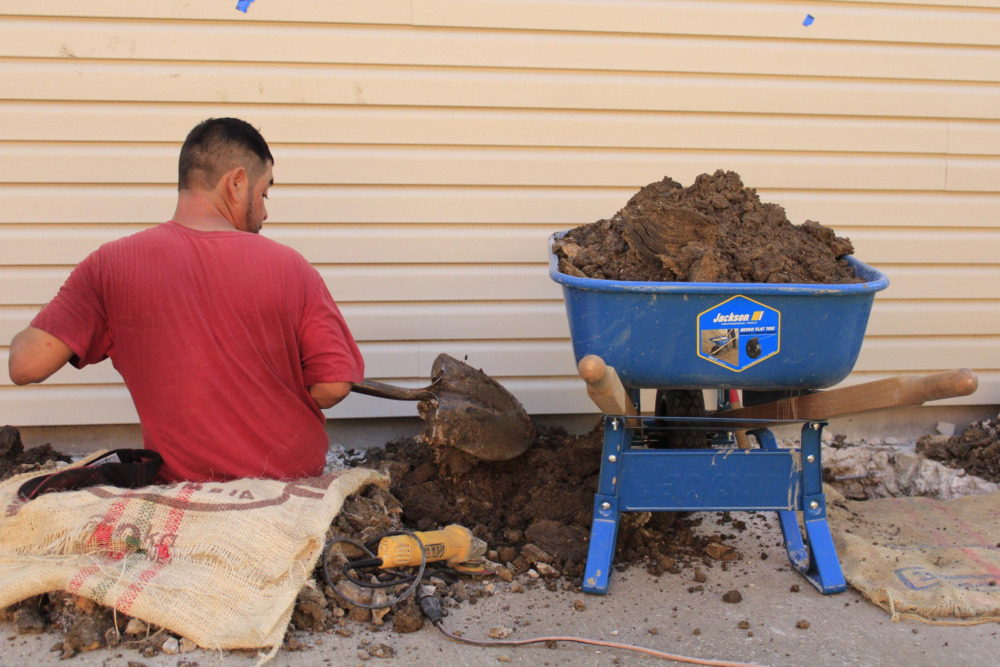
North Texas is known for having highly expansive clay soil, especially in areas throughout Dallas, Tarrant, Denton, and Collin counties. Clay soil absorbs water quickly during rainy periods and swells significantly. During dry weather, the same soil shrinks as moisture evaporates.
This repeated expansion and contraction creates uneven pressure beneath your home. Over time, foundations can shift, settle, or crack as different sections move at different rates. In DFW, summer heat waves combined with sudden storms make these soil conditions even more aggressive.
Some common causes of foundation movement in North Texas include:
- Long periods of drought followed by heavy rainfall
- Poor drainage around the home
- Inconsistent watering of landscaping
- Tree roots absorbing moisture from nearby soil
- Improper grading around the property
Homes built on slab foundations are especially vulnerable because the concrete rests directly on the moving soil. Even newer homes in rapidly growing suburbs like Prosper and Little Elm can experience foundation stress if drainage and soil conditions are not properly managed.
Common Signs Your Foundation May Be Affected
Foundation damage often begins subtly before becoming a major structural concern. Recognizing early warning signs can help homeowners avoid more expensive repairs later.
Interior Warning Signs
Inside the home, you may notice:
- Cracks forming above doors and windows
- Doors that stick or no longer latch properly
- Uneven or sloping floors
- Gaps between walls and ceilings
- Cracked tile flooring
These issues are often caused by uneven foundation movement beneath the structure.
Exterior Signs to Watch For
Outside the home, look for:
- Stair-step cracks in brickwork
- Separation around garage doors
- Leaning chimneys
- Cracks in the foundation slab
- Pooling water near the foundation
In neighborhoods throughout Plano, Irving, and Flower Mound, we commonly see foundation problems worsen because drainage issues allow water to collect near the home’s perimeter.
How Weather Patterns in North Texas Impact Foundations
The DFW area experiences dramatic weather swings throughout the year. Summers are often extremely dry, while spring and fall storms can dump large amounts of rain in short periods. These moisture fluctuations are one of the leading contributors to foundation damage in the region.
During drought conditions, clay soil shrinks and pulls away from the foundation. This creates empty spaces beneath portions of the slab, reducing support. When heavy rain arrives, the soil rapidly expands again, pushing against the structure unevenly.
This cycle repeats year after year, slowly stressing the foundation system.
Homes near lakes, creeks, or flood-prone areas may experience additional soil instability. Communities around Lake Lewisville and low-lying parts of Arlington often deal with moisture management challenges that directly impact foundation performance.
Preventing Foundation Damage Before It Gets Worse
While expansive clay soil cannot be eliminated, homeowners can take several important steps to reduce the risk of foundation damage.
Maintain Consistent Soil Moisture
One of the best ways to minimize soil movement is to keep moisture levels around the foundation as consistent as possible. During dry months, controlled watering around the perimeter can help prevent excessive soil shrinkage.
However, overwatering can also create problems. A balanced approach is important.
Improve Drainage Around the Home
Proper drainage is critical in North Texas. Gutters and downspouts should direct water away from the foundation. The ground around the home should slope away from the structure to prevent water pooling.
French drains and surface drainage systems may also help properties with recurring water accumulation issues.
Watch Tree Placement Carefully
Large trees planted too close to the home can draw moisture unevenly from the soil. This creates inconsistent soil movement beneath the slab. Mature oak trees throughout established DFW neighborhoods are a frequent contributor to localized foundation settlement.
Schedule Professional Inspections
Regular inspections can catch small issues before they become major structural repairs. If you notice cracking, sticking doors, or uneven flooring, it is best to have the foundation evaluated by an experienced local professional.
How Steady House Foundation Repair Helps DFW Homeowners
At Steady House Foundation Repair, we understand that foundation issues can feel stressful and overwhelming. Our team focuses on clear communication, honest recommendations, and repair solutions tailored to North Texas soil conditions.
We work with homeowners throughout the Dallas-Fort Worth metroplex to diagnose foundation movement, identify moisture-related concerns, and develop long-term stabilization plans. Every property is different, which is why we take time to carefully assess the home’s structure, drainage, and surrounding soil conditions before recommending repairs.
Our goal is not simply to fix visible symptoms. We aim to address the root causes of foundation movement so homeowners can feel confident in the safety and stability of their property.
Because we serve communities across DFW, we understand the local climate patterns, soil composition, and construction challenges unique to this region. That local expertise helps us deliver solutions designed specifically for North Texas homes.
Protect Your Foundation Before Small Problems Become Major Repairs
Expansive clay soil is one of the biggest threats to foundations in the Dallas-Fort Worth area, but early action can make a significant difference. Paying attention to warning signs, improving drainage, and maintaining consistent soil moisture can help reduce structural stress and prevent costly damage.
If you have noticed cracks, uneven floors, or other signs of foundation movement, the team at Steady House Foundation Repair is here to help. We proudly serve homeowners across DFW with reliable inspections, trusted repair solutions, and customer-focused service.
Ready to protect your home from foundation damage? Contact Steady House Foundation Repair today to schedule your foundation evaluation and learn more about your repair options.