
When Should I Call a Foundation Repair Professional? Normal Shifts vs. Serious Foundation Failure
How to Tell the Difference Between Seasonal Foundation Movement and Signs of Real Foundation Damage in DFW Homes
If you have lived in the Dallas-Fort Worth area for more than a year, you already know that the soil here has a personality of its own. The expansive clay that underlies most of North Texas swells when it is wet and shrinks when it dries, and it does both dramatically. That movement is not your imagination, and in most cases it is not immediately cause for alarm. But there is a real and important line between the normal seasonal shifting that virtually every DFW home experiences and the kind of progressive foundation failure that demands professional attention. Knowing where that line is can save you from unnecessary anxiety on one end and costly, compounding damage on the other. Steady House Foundation Repair has been serving homeowners across the Dallas-Fort Worth area with that exact kind of honest, educated guidance since earning BBB accreditation in 2017. Our team takes the time to explain what we find, why it matters, and what, if anything, needs to be done. We treat your home like our own, and we get the job done right the first time.
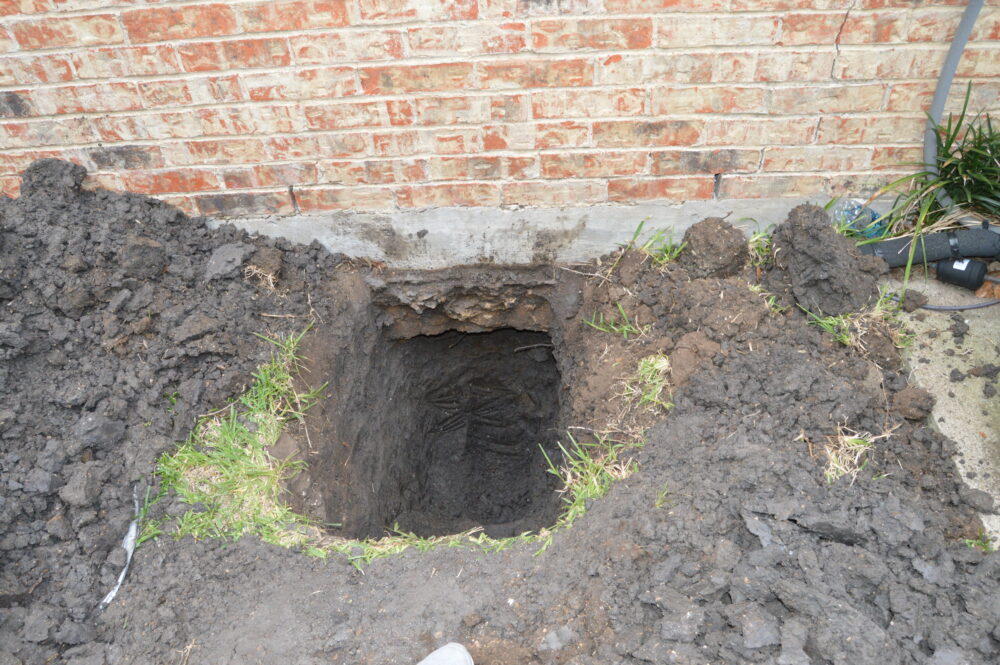
Why DFW Foundations Move in the First Place
Understanding the difference between normal and serious foundation movement starts with understanding the soil beneath your home. The clay-heavy soils across the Dallas-Fort Worth region are among the most reactive in the country. They expand significantly when saturated and contract sharply during drought conditions. Texas summers, which regularly push months without meaningful rainfall and temperatures well above 100 degrees, can pull significant moisture out of the soil surrounding a home’s foundation. That shrinkage creates voids and uneven support beneath the slab.
When the rains return, the soil expands again, sometimes unevenly, pushing back against the foundation from below. This cycle repeats season after season, year after year. Over time, even a well-built foundation absorbs a certain amount of this stress. The question is not whether your foundation is experiencing any movement. In DFW, it almost certainly is. The question is whether that movement is within normal limits or whether it has crossed into territory that is damaging the structural integrity of your home.
What Normal Seasonal Foundation Behavior Looks Like
Normal seasonal movement in a DFW home tends to produce mild, predictable, and reversible symptoms. A few things that are generally not cause for immediate alarm:
- Hairline cracks in drywall, particularly at the corners of door frames and windows, that open slightly in summer and close somewhat in fall and winter
- Doors or windows that become slightly sticky during the hottest, driest months of the year and loosen up when moisture returns
- Minor cosmetic cracks in exterior brick mortar that have been present and stable for years without growing or changing character
- Small surface cracks in concrete flatwork like driveways and sidewalks that are not connected to the foundation itself
The key word in all of these is stability. Symptoms that have been consistent over time, that respond predictably to seasonal changes, and that have not grown or multiplied are generally signs of a foundation doing what DFW foundations do rather than signs of progressive failure.
Warning Signs That Warrant a Professional Evaluation
The distinction between normal movement and serious foundation failure shows up most clearly in the pattern, severity, and progression of symptoms. The following warrant a call to a professional foundation repair company rather than a wait-and-see approach:
Cracks That Are Growing or Changing
A crack that was the width of a hairline six months ago and is now noticeably wider is telling you something. Progressive cracking, whether in drywall, exterior brick, or the foundation slab itself, indicates ongoing movement that is not self-correcting. Diagonal cracks running from the corners of door frames or windows at a 45-degree angle are particularly associated with differential foundation settlement and should be evaluated promptly.
Doors and Windows That No Longer Function Properly
When doors begin to stick, drag along the floor, or fail to latch regardless of the season, or when windows become genuinely difficult to open and close rather than just slightly stiff in summer heat, the frame of the home has likely shifted enough to distort the openings. This is one of the most consistent early indicators of foundation movement that has moved beyond the seasonal range.
Sloping or Uneven Floors
A floor that feels noticeably unlevel, or that a marble would roll across without prompting, indicates that different sections of the foundation have settled at different rates. This differential settlement is one of the more serious presentations of foundation failure and tends to worsen over time without intervention.
Gaps Between Walls and Ceilings or Floors
Separation between walls and the ceiling line, or visible gaps where baseboards have pulled away from the floor, indicates that the structure is moving in ways that exceed normal seasonal flex. These symptoms often appear in combination with other warning signs.
Visible Cracks in the Foundation Itself
Any crack visible in the concrete slab or in the exposed foundation walls of a pier and beam home deserves professional evaluation. Horizontal cracks in foundation walls, in particular, can indicate soil pressure and require prompt assessment.
What a Professional Evaluation Actually Involves
At Steady House Foundation Repair, a foundation assessment is a thorough, educational process. Our structural analysts take precise measurements of the slab level throughout the home, examine all visible symptoms both inside and outside, assess drainage patterns around the foundation, and explain their findings in plain language. We do not manufacture urgency where none exists. When customers have asked us to evaluate a home and the foundation does not need work, we say so clearly. That honesty is part of what has built our reputation across the DFW area.
When work is needed, our estimates include engineering drawings and our repair process includes visits by a licensed engineering company to verify the work was completed correctly. From slab leveling to pier and beam repairs, our solutions are built on years of studying North Texas soil conditions and the specific demands they place on residential foundations.
Not Sure What You Are Seeing? Contact Steady House Foundation Repair for a Free Estimate.
Serving homeowners across the Dallas-Fort Worth area, Steady House Foundation Repair offers honest assessments, clear explanations, and expert foundation repair backed by real engineering. Reach out today to schedule your free estimate and get the answers your home deserves.