
The Pros and Cons of Pier and Beam Foundations: Is Yours Right for Your Home?
Why Pier and Beam Foundations Matter for Texas Homeowners
At Steady House Foundation Repair, we understand that your home’s foundation is the bedrock of your family’s security and financial investment. For over two decades, we’ve been helping Texas homeowners navigate the unique challenges that come with our state’s notorious clay soils and unpredictable weather patterns. Whether you’re buying an older home in Dallas-Fort Worth, considering foundation options for new construction, or evaluating your current pier and beam system, our team brings unmatched expertise to help you make informed decisions about your foundation’s future.
Pier and beam foundations were the norm in Texas until concrete slabs gained popularity in the 1950s and 60s, and many homes in the Greater Fort Worth area still feature this time-tested construction method. What sets Steady House Foundation Repair apart is our deep understanding of how Texas’s expansive clay soils interact with different foundation types, combined with our commitment to honest, transparent service that puts your home’s long-term stability first. We don’t just fix foundations—we educate homeowners about the best solutions for their specific soil conditions and lifestyle needs.
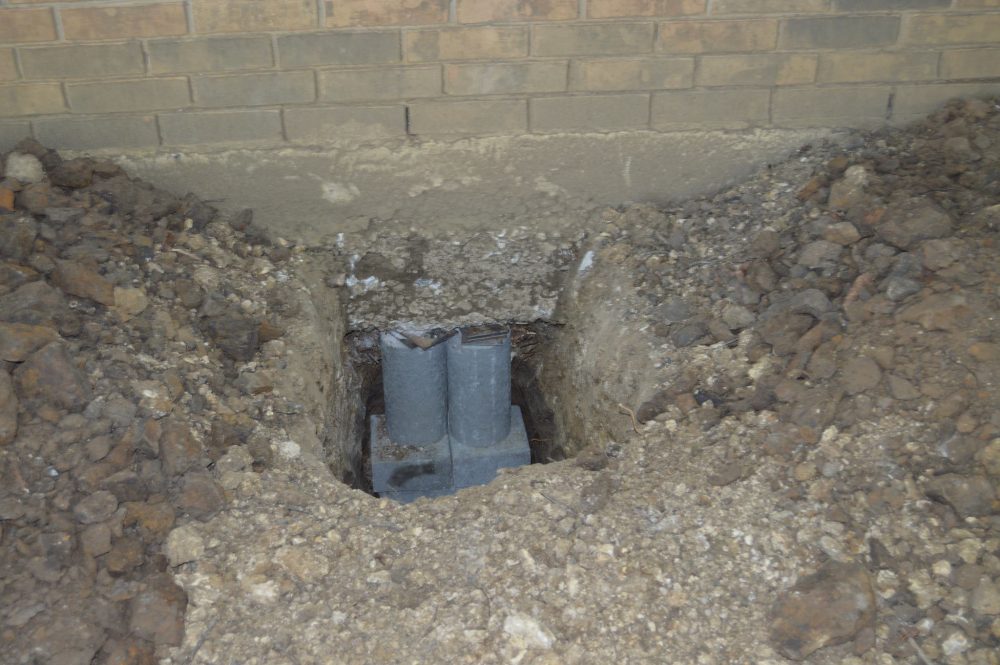
Understanding Pier and Beam Foundation Construction
A typical pier-and-beam foundation includes three main elements: concrete piers, which anchor the house foundation to the ground; posts or piles, which run between the piers and horizontal beams; and wooden beams, which support the weight of the house. This elevated design creates a crawl space underneath your home, typically 18-24 inches high, where utilities like plumbing, electrical, and HVAC systems are easily accessible.
Unlike slab foundations that sit directly on the ground, pier and beam systems lift your home above potential moisture issues and provide flexibility that’s particularly valuable in Texas’s challenging soil conditions. The concrete piers extend deep into stable soil, while the wooden beam structure above allows for natural settling and movement without catastrophic failure.
The Advantages: Why Many Texas Homes Still Choose Pier and Beam
Superior Flood Protection and Drainage
Pier and beam foundations are common in older Texan homes (pre-1960), and especially in areas with expansive soils and sloped lots. The raised design helps with drainage, keeping the house away from moisture. In Texas, where flash flooding can occur rapidly, this elevation provides crucial protection for your home’s structure and belongings.
Unmatched Accessibility for Repairs and Maintenance
One of the most significant advantages of pier and beam foundations is the accessibility they provide. Pier and beam foundations create a crawl space that makes it easier to do repairs and modifications to your home. Unlike concrete slabs, which set electrical wiring and plumbing into the concrete, pier and beam foundations leave wires and pipes in more open and accessible spaces. This accessibility can save thousands of dollars in repair costs over your home’s lifetime.
Flexibility in Texas’s Challenging Soil Conditions
If you live in an area with clay-rich soil (hello, Texas!), a pier and beam foundation is your best friend. These soils expand when wet and shrink during dry spells, wreaking havoc on slab foundations. Pier and beam systems allow for more flexibility and adaptability than their slab counterpart, reducing the risk of cracks and structural damage.
Adaptability for Sloped Lots and Challenging Terrain
Pier and beam foundations are also suitable for sloped plots of land, as they don’t sit directly on the surface as a slab would, and the piers can extend up above the ground to different heights. This makes them ideal for many Texas properties with uneven topography.
The Challenges: What You Need to Know
Higher Initial Construction and Maintenance Costs
Most modern homes are not built using pier and beam foundations because they are more expensive than slab foundations. The initial investment is higher due to the materials and labor required for proper installation.
Ongoing Maintenance Requirements
However, the crawl space can also invite issues such as wood rot, pests, and moisture accumulation, so regular inspections and maintenance are needed to keep things in check. Texas homeowners must be proactive about moisture control, pest prevention, and regular inspections to maintain their pier and beam systems.
Potential for Moisture and Pest Issues
Crawlspaces are prone to infestation by insects and vermin which can carry diseases and cause damage to wiring and structural members including the beams. Proper ventilation and sealing are essential to prevent these problems.
Floor Performance Considerations
Flooring in homes built on pier and beam foundations has less support than floors sitting on a concrete slab, so squeaking and creaking floorboards are not uncommon. While this can usually be addressed with proper maintenance, it’s something to consider.
Why Texas Soil Makes Foundation Choice Critical
The heavy clay content in Dallas soils makes foundations prone to shifting and settling. A large portion of the DFW area is located on thick clay soil. During the rainy season, the soil absorbs a lot of water and expands. But as soon as drought sets in, the water is lost and soils quickly contract and crack.
This constant expansion and contraction cycle is particularly challenging for rigid slab foundations, while pier and beam systems can adapt to soil movement more gracefully. Clay soil expands when wet and shrinks when dry. This movement can cause your home’s foundation to shift, leading to cracks and structural damage.
Our Professional Assessment Process
At Steady House Foundation Repair, we don’t believe in one-size-fits-all solutions. Our comprehensive evaluation process includes:
Soil Analysis: We assess your specific soil conditions and drainage patterns to understand the unique challenges your foundation faces.
Structural Inspection: Our certified technicians examine your current foundation’s condition, identifying any existing issues and potential problem areas.
Cost-Benefit Analysis: We help you understand the long-term financial implications of maintaining your pier and beam system versus other options.
Customized Maintenance Plan: Based on our findings, we develop a proactive maintenance strategy to protect your investment.
Making the Right Decision for Your Home
The bottom line is that pier and beam foundations are more expensive to build, but the maintenance and flexibility with them can save thousands and thousands of dollars over the life of the house. For many Texas homeowners, especially those in areas with expansive clay soils or flood-prone regions, pier and beam foundations offer superior long-term value despite higher initial costs.
Consider pier and beam if you:
- Live in an area with expansive clay soils
- Are in a flood-prone zone
- Value easy access to utilities for future modifications
- Own an older home where pier and beam is already established
- Have a sloped lot or challenging terrain
A slab foundation might be better if you:
- Prioritize lower initial construction costs
- Prefer minimal ongoing maintenance
- Live in an area with stable soil conditions
- Want maximum structural rigidity
Ready for Expert Foundation Solutions? Call Steady House Foundation Repair Today!
Don’t let foundation uncertainty keep you up at night. Whether you need a comprehensive evaluation of your existing pier and beam system, expert repair services, or guidance on the best foundation choice for your new construction project, Steady House Foundation Repair has the knowledge and experience to protect your most valuable investment. Contact us today for a free consultation and discover why Texas homeowners have trusted us with their foundation needs for over 20 years. Your home’s stability is our commitment.