
DIY Foundation Fixes vs Professional Repair: Can You Repair a Foundation Yourself?
Minor maintenance tasks, such as improving drainage, sealing small non-structural cracks, or maintaining consistent soil moisture around your home, can often be handled by homeowners. However, if your foundation is settling, shifting, or showing structural damage, professional foundation repair is the safest and most effective solution. DIY repairs cannot correct the underlying cause of structural movement and may allow the problem to worsen over time.
Steady House Foundation Repair believes homeowners deserve honest, practical guidance before making major decisions about their homes. Foundation problems can feel overwhelming, especially when online videos make complex structural repairs look simple. Our experienced team focuses on identifying the true cause of foundation movement, explaining repair options clearly, and providing lasting solutions that protect your home’s value. Whether you’re dealing with cracked walls, sticking doors, uneven floors, or visible foundation cracks, our goal is to help you make an informed decision based on facts, not guesswork. We know every home is different, which is why every recommendation begins with a thorough evaluation rather than a one-size-fits-all approach.
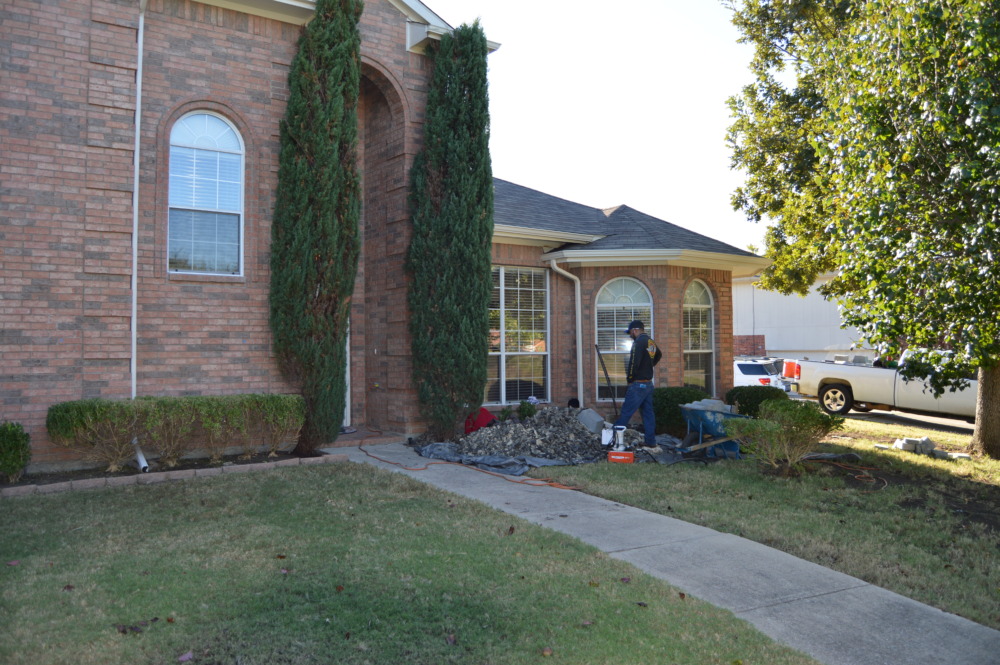
DIY Foundation Repair vs Professional Foundation Repair: What’s the Difference?
Many homeowners wonder whether they can save money by fixing foundation issues themselves. The answer depends on what type of problem you’re facing.
What Foundation Problems Can You Fix Yourself?
Some issues are considered preventative maintenance rather than structural repairs.
Homeowners can typically handle:
- Cleaning gutters to direct water away from the home
- Extending downspouts
- Regrading soil to improve drainage
- Filling small cosmetic concrete cracks with appropriate sealants
- Maintaining consistent moisture around the foundation during dry weather
- Monitoring cracks for changes over time
These tasks help reduce stress on your foundation but do not repair structural movement.
Which Foundation Problems Require Professional Repair?
If your home’s foundation is actively moving, DIY methods will not stop the damage.
Professional evaluation is recommended if you notice:
- Stair-step cracks in brick
- Large or widening wall cracks
- Doors and windows that suddenly stick
- Uneven or sloping floors
- Gaps around windows or exterior doors
- Visible foundation settlement
- Separation between walls and ceilings
According to the American Society of Civil Engineers (ASCE), expansive soils affect approximately one in four homes in the United States, causing billions of dollars in property damage each year.
Why Can’t DIY Repairs Fix Foundation Settlement?
The key fact is simple: foundation settlement happens below the surface.
Most structural foundation repairs involve stabilizing or transferring the weight of the home to more stable soil layers. This requires specialized equipment, engineering knowledge, and precise installation techniques.
Professional repairs may include:
- Steel pier installation
- Concrete piers
- Helical piers
- Slab stabilization
- Drainage corrections
- Soil management solutions
These repairs address the cause of movement rather than simply covering the symptoms.
Is Filling Foundation Cracks Enough?
Usually not.
Crack fillers and concrete sealants can prevent moisture intrusion into minor cosmetic cracks, but they do not stop the forces causing the crack.
Think of a crack as a warning sign rather than the actual problem.
If the soil beneath the foundation continues to shift, the crack will likely reopen or new cracks will appear.
Professional inspections determine whether a crack is:
- Cosmetic
- Shrinkage-related
- Settlement-related
- Caused by expansive soil
- A symptom of a larger structural issue
Proper diagnosis is often more important than the repair itself.
When Is Professional Foundation Repair Worth the Cost?
The short answer is whenever structural movement exists.
Professional Repairs Protect Your Investment
Foundation problems rarely improve on their own.
Waiting can lead to:
- Larger structural repairs
- More interior damage
- Plumbing issues
- Roofing problems caused by movement
- Reduced home value
- More expensive repairs later
The Texas Section of the American Society of Civil Engineers emphasizes that proper foundation evaluation should identify not only visible damage but also the probable causes and risk of continued movement before recommending repairs.
Professional Repairs Come With Documentation
Another major benefit is documentation.
Professional foundation repair companies often provide:
- Detailed inspections
- Elevation measurements
- Repair plans
- Transferable warranties (when applicable)
- Documentation that can be valuable during resale
Future buyers generally have greater confidence when repairs have been completed professionally and properly documented.
DIY Mistakes Can Become Expensive
Attempting structural repairs without the proper equipment can:
- Hide serious problems
- Delay proper repairs
- Increase repair costs
- Create safety risks
- Potentially affect future inspections during a home sale
What seems like saving money today may ultimately cost far more if the underlying issue continues to worsen.
How Can You Tell If It’s Time to Call a Foundation Expert?
Several warning signs deserve prompt attention.
Schedule a professional evaluation if you notice:
- Cracks growing larger over time.
- Doors or windows becoming harder to open.
- Floors that no longer feel level.
- Cracks in exterior brick or masonry.
- Water pooling around your home’s foundation.
- Multiple symptoms appearing at the same time.
Early inspections often provide homeowners with more repair options and may help prevent additional damage.
Frequently Asked Questions
Can I fix my home’s foundation with concrete patch or epoxy?
Concrete patch and epoxy can seal minor cosmetic cracks but cannot stop foundation settlement or structural movement. If the foundation is shifting, professional repairs are needed.
Is it cheaper to repair a foundation early?
Yes. Addressing foundation issues early often prevents additional structural damage, interior repairs, and more extensive stabilization work later.
How do I know if a crack is structural?
Large, widening, diagonal, or stair-step cracks, especially when combined with sticking doors or uneven floors, should be evaluated by a foundation professional.
Should I get a professional inspection before attempting DIY repairs?
Absolutely. Even if you hope the issue is minor, an inspection can determine whether the problem is cosmetic or structural, helping you avoid unnecessary repairs or costly mistakes.
Protect Your Home with Expert Foundation Repair
Foundation issues are not something homeowners should have to guess about. While routine maintenance can help protect your home, structural foundation repairs require specialized knowledge, equipment, and experience to address the root cause of the problem.
If you’ve noticed signs of foundation movement or simply want peace of mind, Steady House Foundation Repair is here to help. Our experienced team provides honest evaluations and reliable repair solutions designed to protect your home for years to come.
Ready to find out what’s really happening with your foundation? Contact us today to schedule your professional foundation evaluation.