
What Should Homeowners Expect During a Professional Foundation Repair Estimate?
A professional foundation repair estimate typically includes an inspection of visible damage, an assessment of foundation movement, a review of possible causes, and an explanation of recommended repairs and costs. Homeowners should expect the contractor to discuss the findings, answer questions, and provide an estimate outlining the proposed work before any repair decisions are made.
Scheduling a foundation repair estimate can feel overwhelming, especially if you are unsure what is causing cracks, uneven floors, or sticking doors in your home. At Steady House Foundation Repair, we believe homeowners deserve clear information about their foundation’s condition and the repair options available. Serving the Dallas-Fort Worth area, our team works with both slab and pier and beam foundations, helping property owners understand potential structural concerns. Our approach emphasizes evaluating the source of foundation problems rather than focusing only on visible symptoms. Knowing what happens during a professional foundation repair estimate can make the experience less stressful and help you feel more confident when discussing recommendations, comparing proposals, and deciding how to protect your home.
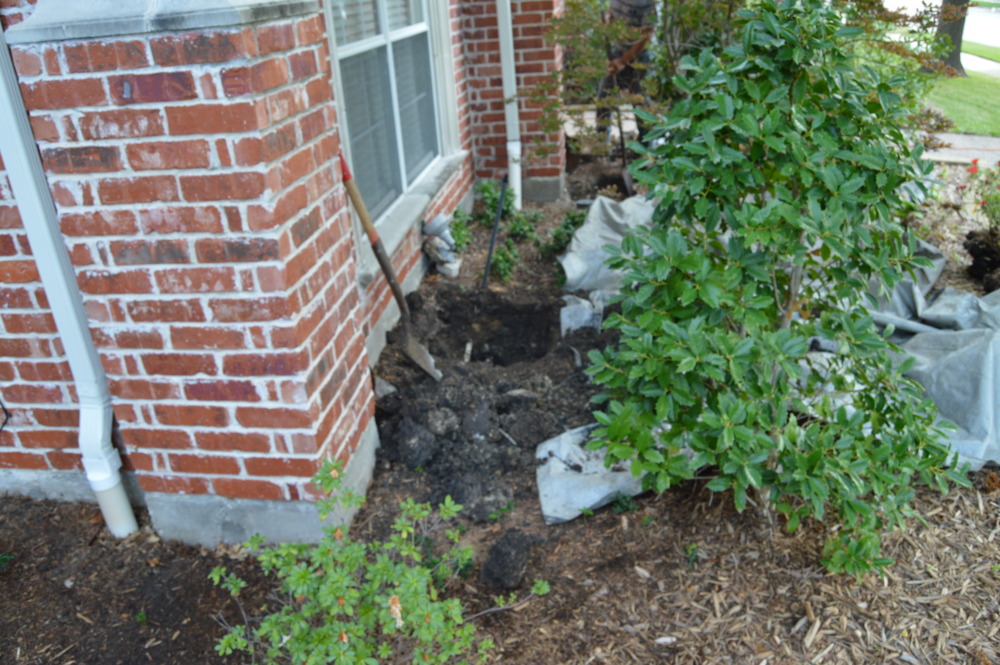
Understanding the Foundation Inspection and Repair Estimate Process
What Does a Foundation Repair Contractor Look for During an Inspection?
A foundation repair contractor looks for visible signs of movement, uneven support, and conditions that may be contributing to foundation problems.
The evaluation generally begins with a discussion of the homeowner’s concerns. You may be asked when the problems first appeared, whether they have changed, and if you have noticed seasonal patterns.
The contractor may then examine the interior and exterior of the home.
Common areas of concern include:
- Interior wall cracks: Diagonal cracks near doors and windows may indicate structural movement.
- Exterior brick separation: Stair-step cracks or gaps between building materials can sometimes develop when foundations shift.
- Uneven floors: Sloping or sagging areas may suggest settlement or support problems.
- Doors and windows: Openings that no longer operate properly can indicate changes in structural alignment.
- Foundation surfaces: Visible cracking, settlement, or separation may require closer examination.
- Drainage conditions: Water collecting near the foundation can contribute to moisture-related soil movement.
The purpose is to understand how different symptoms may be connected.
A crack by itself does not always indicate a serious foundation problem. Contractors consider the location, pattern, severity, and combination of symptoms when evaluating the structure.
How Is Foundation Movement Measured During an Estimate?
Foundation movement is commonly evaluated using elevation measurements and observations of the home’s structural condition.
Depending on the property and inspection approach, a contractor may use leveling equipment to compare floor elevations at different locations.
These measurements can help identify areas that are higher or lower relative to one another.
However, elevation differences do not automatically prove that a foundation is actively moving. Original construction conditions, flooring materials, previous repairs, and normal tolerances can influence measurements.
For this reason, elevation readings should be considered alongside visible symptoms and the property’s history.
The type of foundation also affects the inspection.
Slab foundations: Contractors may focus on floor elevation differences, concrete movement, perimeter conditions, and signs of settlement or heaving.
Pier and beam foundations: Contractors may examine accessible crawl space components, support piers, beams, joists, and signs of moisture or deterioration.
Steady House Foundation Repair provides services for both foundation types throughout the Dallas-Fort Worth area.
Steady House Foundation Repair
+1
What Factors Determine the Recommended Foundation Repairs?
Repair recommendations depend on the foundation type, the location and extent of movement, soil conditions, and the underlying cause of the problem.
Not every home with cracks or uneven floors requires the same repair method.
A professional estimate should help explain why a particular solution is being recommended.
Factors that may influence the proposed work include:
- Foundation construction: Slab and pier and beam systems require different repair approaches.
- Extent of movement: Localized settlement may call for a different solution than movement affecting several areas.
- Soil conditions: Expansive clay and uneven moisture can influence foundation performance.
- Drainage concerns: Poor runoff management may need to be addressed to reduce recurring moisture problems.
- Accessibility: Landscaping, patios, utilities, and crawl space conditions can affect how repairs are performed.
According to the U.S. Department of Agriculture’s Natural Resources Conservation Service, expansive soils change volume as moisture levels fluctuate. These soil characteristics are important when evaluating foundation performance in parts of Texas.
Natural Resources Conservation Service
+1
A thorough recommendation should address both the observed structural concerns and the conditions contributing to them.
In some cases, further investigation by a licensed professional engineer or another specialist may be appropriate before a repair plan is finalized.
What Should Be Included in a Written Foundation Repair Estimate?
A written foundation repair estimate should clearly describe the proposed scope of work, anticipated costs, and important project conditions.
The level of detail can vary depending on the contractor and the complexity of the project.
Homeowners should look for the following information:
- Description of recommended repairs: What work is being proposed and which areas of the foundation are involved?
- Repair methods: What support or leveling techniques will be used?
- Estimated costs: What is included in the quoted price, and what could result in additional charges?
- Project timeline: How long is the work expected to take?
- Property considerations: Will landscaping, flooring, concrete, or other areas need to be disturbed?
- Warranty information: What coverage is offered, if any, and what exclusions or conditions apply?
- Payment terms: When are payments due, and how are changes to the scope handled?
It is also helpful to ask whether plumbing evaluations, engineering services, permits, or cosmetic repairs are included or handled separately.
A lower estimate does not necessarily represent better value. Comparing the scope of work and the reasoning behind each recommendation is often more useful than comparing prices alone.
How Can You Prepare for a Foundation Repair Estimate?
Preparing for a foundation repair estimate helps the contractor understand your concerns and can make the appointment more productive.
Before the visit, take a few minutes to gather information about the property.
Start by making a list of symptoms you have noticed, including when they first appeared and whether they have changed.
If possible, collect photographs of cracks, gaps, or other visible changes.
You can also gather previous foundation repair records, warranty documents, plumbing reports, or inspection findings.
Make sure the contractor can access areas where problems have been observed. This may include moving furniture away from damaged walls or ensuring access to an available crawl space entrance.
Finally, prepare questions about the inspection findings, proposed repairs, expected costs, and next steps.
The goal is not to diagnose the problem yourself. It is to provide useful background information so the evaluation can be as informative as possible.
Frequently Asked Questions About Foundation Repair Estimates
Are foundation repair estimates free?
Some foundation repair companies offer complimentary estimates. Steady House Foundation Repair advertises free estimates on its official website. Confirm what the appointment includes when scheduling.
Steady House Foundation Repair
How long does a foundation repair estimate take?
The time required depends on the home’s size, foundation type, accessibility, and complexity of the concerns. Ask the contractor how much time to allow when scheduling your appointment.
Does getting a foundation repair estimate mean I have to schedule repairs?
No. An estimate provides information about the property’s condition and potential repair options. Homeowners can review the findings and decide whether to proceed, seek additional opinions, or request further evaluation.
Should I get more than one foundation repair estimate?
Comparing multiple estimates can help homeowners understand differences in recommended methods, repair scope, pricing, and warranty terms. Make sure each contractor is evaluating the same concerns before comparing proposals.
Schedule Your Foundation Repair Estimate With Steady House Foundation Repair
Understanding your foundation’s condition is the first step toward making an informed repair decision. A professional evaluation can help identify potential concerns, explain available solutions, and clarify what work may be necessary.
Whether your home has a slab or pier and beam foundation, Steady House Foundation Repair serves homeowners throughout the Dallas-Fort Worth area with foundation repair services tailored to their property’s needs.
Ready to understand what is happening beneath your home?
Contact Steady House Foundation Repair to schedule your foundation repair estimate and take the next step toward a more stable home.