
How Much Movement Is Normal for a Foundation? Signs North Texas Homeowners Should Know
Understanding Acceptable Foundation Settlement vs Structural Problems
If you’ve noticed a crack in your wall, a sticking door, or a slightly uneven floor, you may be wondering: how much movement is normal for a foundation?
The truth is that all foundations experience some degree of movement. Foundations are not perfectly static structures, especially in North Texas, where expansive clay soils constantly react to changing moisture levels. The challenge for homeowners is knowing the difference between normal foundation settlement and movement that signals a more serious structural concern.
At Steady House Foundation Repair, we help homeowners across North Texas understand what is happening beneath their homes and whether foundation movement requires professional attention. From established neighborhoods in Dallas and Fort Worth to rapidly growing communities like Frisco, McKinney, Prosper, and Lewisville, foundation movement is one of the most common concerns we encounter. Our team is committed to providing honest evaluations, clear communication, and practical solutions tailored to each property’s unique conditions.
Understanding what constitutes normal foundation movement can help you avoid unnecessary worry while ensuring you address genuine problems before they become more costly repairs.
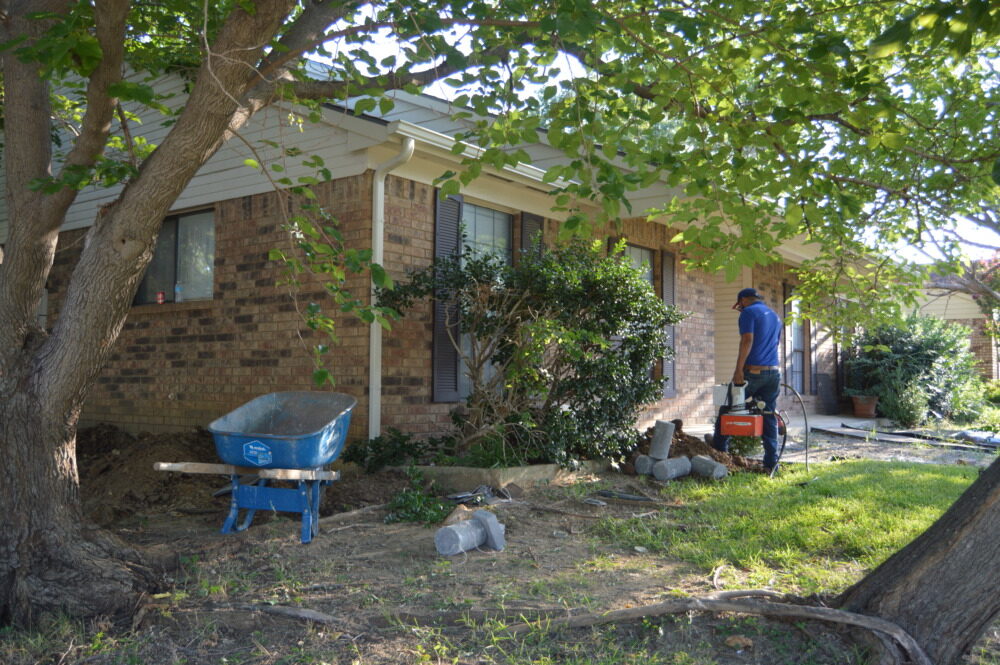
Why Foundations Move in North Texas
North Texas presents unique challenges for homeowners because of its expansive clay soil. These soils expand when they absorb moisture and shrink when they dry out.
According to Texas A&M AgriLife Extension resources, expansive clay soils can undergo significant volume changes as moisture levels fluctuate throughout the year. This natural movement places stress on foundations, causing minor shifting and settlement over time.
Several factors contribute to foundation movement in North Texas:
- Seasonal drought and rainfall cycles
- Extreme summer temperatures
- Poor drainage around the home
- Tree roots extracting moisture from the soil
- Plumbing leaks beneath foundations
- Natural soil consolidation over time
Because these conditions are common throughout the region, some foundation movement is expected. The key is determining whether that movement falls within a normal range.
What Is Considered Normal Foundation Movement?
A small amount of foundation settlement is generally considered normal, particularly during the first few years after construction.
As a home settles into the soil beneath it, minor adjustments occur. Small cosmetic cracks in drywall, slight nail pops, or minor trim separations may develop without indicating a serious structural problem.
Normal foundation movement typically:
- Occurs gradually
- Stabilizes over time
- Results in minor cosmetic changes
- Does not significantly affect doors, windows, or floors
- Does not continue worsening rapidly
In North Texas, even established homes may experience slight seasonal movement due to changes in soil moisture. During particularly dry summers, homeowners may notice small cracks that become less noticeable after periods of rain.
However, movement that exceeds these minor adjustments may indicate a foundation issue that requires professional evaluation.
Warning Signs That Foundation Movement Is No Longer Normal
While some movement is expected, certain symptoms suggest your foundation may be experiencing excessive settlement or shifting.
Watch for these warning signs:
- Stair-step cracks in exterior brick
- Cracks wider than one-quarter inch
- Doors or windows that suddenly stick
- Uneven or sloping floors
- Gaps between walls and ceilings
- Separation around windows and door frames
- Cabinets pulling away from walls
- Cracks that continue growing over time
The presence of one symptom does not automatically mean your foundation requires repair. However, multiple symptoms occurring together often indicate underlying structural movement.
Homeowners should pay particular attention to changes that appear suddenly or continue worsening over several months.
How Weather Extremes Affect Foundation Stability
One reason foundation movement is such a common concern in North Texas is the region’s unpredictable weather.
The Dallas-Fort Worth area frequently experiences periods of intense drought followed by heavy rainfall. These rapid moisture swings create ideal conditions for soil expansion and contraction.
During dry conditions, clay soil shrinks and may pull away from the foundation. When significant rain arrives, the soil swells again. This cycle repeats year after year, placing stress on foundations and contributing to movement.
Homes near open spaces, parks, and heavily landscaped areas may experience additional soil moisture variations due to vegetation and drainage patterns.
Maintaining consistent moisture levels around your foundation can help reduce these seasonal stresses.
How Homeowners Can Minimize Foundation Movement
Although no homeowner can completely stop soil movement, there are several steps you can take to reduce the risk of excessive foundation settlement.
Maintain Proper Drainage
Ensure gutters and downspouts direct water away from the foundation. Standing water near your home can contribute to uneven soil expansion.
Monitor Soil Moisture
During extended dry periods, consider using a foundation watering program to maintain more consistent moisture levels around the structure.
Address Plumbing Leaks Quickly
Leaks beneath a slab foundation can create localized soil expansion and lead to significant movement if left untreated.
Inspect Your Home Regularly
Pay attention to new cracks, sticking doors, and changes in floor levels. Early detection often prevents more extensive repairs.
Schedule Professional Evaluations
If you notice multiple warning signs or ongoing changes, a professional inspection can determine whether movement is within a normal range or requires corrective action.
When Should You Call a Foundation Expert?
Many homeowners delay seeking professional advice because they assume cracks and settlement are simply part of homeownership. While some movement is normal, it is always better to identify potential issues early.
A professional evaluation can help determine:
- Whether movement is cosmetic or structural
- If foundation settlement is ongoing
- What factors may be contributing to movement
- Whether repairs are needed now or simply monitoring is appropriate
At Steady House Foundation Repair, we believe homeowners deserve straightforward answers. Our team evaluates each property carefully and provides recommendations based on the actual condition of the foundation, not a one-size-fits-all solution.
Concerned About Foundation Movement? Let Us Help.
Every foundation moves to some degree, especially in North Texas. The important question is whether that movement falls within a normal range or signals a developing structural problem.
If you’ve noticed cracks, sticking doors, uneven floors, or other signs of foundation movement, don’t wait for the issue to worsen. Contact Steady House Foundation Repair through our contact page to schedule a professional evaluation and gain peace of mind about your home’s foundation.