
Foundation Challenges in Older vs Newer Homes in North Texas: Which Homes Have More Foundation Problems?
Understanding Foundation Issues in Older and Newer North Texas Homes
North Texas homeowners often ask whether older homes or newer homes are more likely to experience foundation problems. The answer may surprise you. While age certainly plays a role, foundation performance is influenced by a combination of factors including soil conditions, construction methods, drainage, maintenance, and weather patterns.
At Steady House Foundation Repair, we have worked with homeowners throughout North Texas who are dealing with foundation concerns in both historic neighborhoods and newly developed communities. From established areas near downtown Dallas and Fort Worth to rapidly growing suburbs like Frisco, Prosper, McKinney, and Lewisville, foundation movement remains one of the most common structural issues homeowners face.
North Texas presents unique challenges because of its expansive clay soils. These soils swell when saturated and shrink during dry periods. According to the Texas A&M AgriLife Extension Service, clay-rich soils in Texas can undergo significant volume changes due to moisture fluctuations, creating stress on foundations over time. Combined with recurring drought conditions and periods of heavy rainfall, homes of all ages can be vulnerable to foundation movement.
Understanding how foundation issues differ between older and newer homes can help you identify warning signs early and make informed decisions about repairs and maintenance.
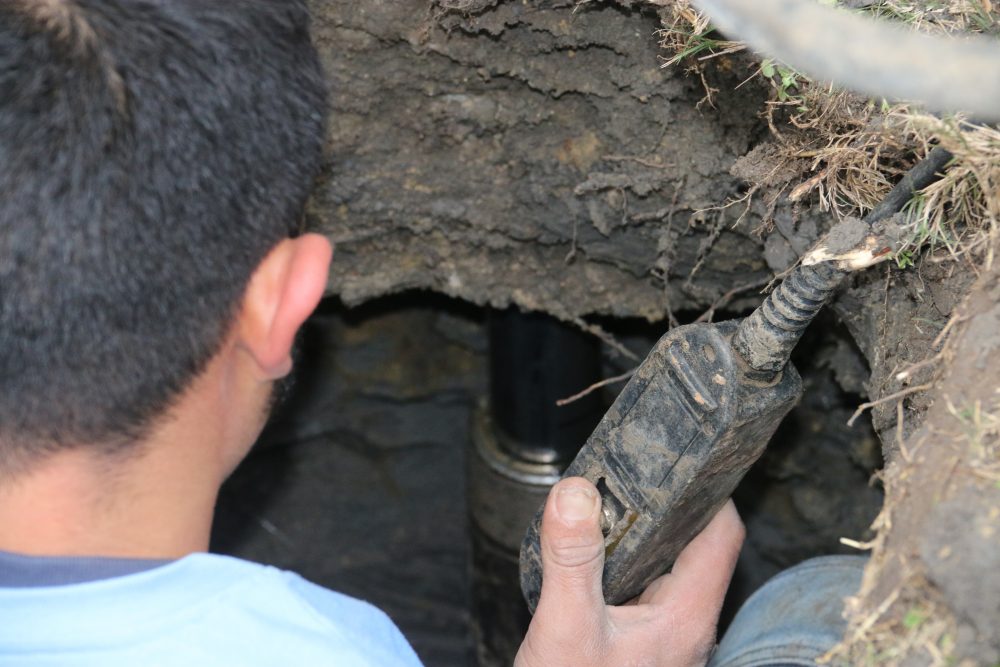
Why Older North Texas Homes Experience Foundation Problems
Many older homes throughout North Texas were built decades before modern engineering standards became common. While these homes often feature durable construction and timeless character, they may face foundation challenges related to age and changing site conditions.
One common issue is long-term soil movement. A foundation that has endured decades of drought cycles, heavy rain events, and seasonal shifts may gradually settle or shift over time. Even minor movement can eventually lead to visible signs such as:
- Cracks in interior walls
- Doors and windows that stick
- Uneven floors
- Gaps around trim and molding
- Exterior brick cracks
Older homes may also have aging drainage systems that no longer direct water away from the foundation effectively. Poor drainage is one of the leading contributors to foundation movement in North Texas because excessive moisture can cause clay soils to expand dramatically.
Additionally, tree roots from mature landscaping can impact soil moisture levels around older homes. Large oak trees and other established vegetation often found in historic neighborhoods can pull substantial amounts of water from the soil, contributing to uneven foundation settlement.
What Foundation Challenges Affect Newer Homes?
Many homeowners assume a newly built home is immune to foundation problems. Unfortunately, newer homes can experience foundation issues as well.
North Texas has experienced rapid residential growth over the past two decades. As communities expand, builders often develop land that previously served agricultural or undeveloped purposes. While modern construction techniques have improved, site preparation remains critical.
Some common challenges affecting newer homes include:
- Incomplete soil stabilization before construction
- Rapid drying and shrinking of newly disturbed soil
- Improper grading around the property
- Insufficient drainage design
- Extreme weather conditions shortly after construction
Because expansive clay soils continue moving regardless of a home’s age, even recently constructed houses can develop foundation symptoms within the first few years.
Homeowners in fast-growing communities often notice stair-step brick cracks, drywall cracks, or doors that no longer align properly. These signs do not necessarily indicate severe structural damage, but they should be evaluated by a foundation professional to determine whether movement is ongoing.
How North Texas Weather Impacts Both Old and New Foundations
One factor that affects every home in North Texas is the region’s unpredictable climate.
Periods of prolonged drought followed by intense rainfall create dramatic moisture swings in the soil. During drought conditions, clay soils contract and pull away from foundations. When heavy rains arrive, the same soils expand as they absorb moisture.
This constant cycle creates stress on foundations regardless of whether the home was built five years ago or fifty years ago.
Recent weather trends across Texas have highlighted these challenges. Many areas have experienced extended dry periods followed by significant storm activity. These rapid transitions increase the likelihood of foundation movement and make proactive maintenance even more important.
Maintaining consistent moisture levels around your foundation is one of the most effective ways to reduce the impact of these soil changes.
Warning Signs Every Homeowner Should Watch For
Whether you own a historic home in Fort Worth or a newly built property in Frisco, recognizing foundation warning signs early can prevent more extensive damage.
Watch for:
- Cracks in brick or masonry
- Interior wall cracks above doors and windows
- Doors that stick or fail to latch properly
- Sloping or uneven floors
- Separation between walls and ceilings
- Gaps around windows or exterior doors
- Standing water near the foundation after rain
Not every crack indicates a serious foundation problem. However, changes that continue to worsen over time should be professionally evaluated.
Regular inspections can help identify issues before they become costly repairs.
Protecting Your Foundation Regardless of Your Home’s Age
The good news is that homeowners can take several steps to protect their foundations.
First, ensure proper drainage around the home. Gutters, downspouts, and grading should direct water away from the foundation rather than allowing it to pool nearby.
Second, maintain consistent soil moisture during dry periods. Foundation watering systems can help reduce extreme soil shrinkage during North Texas summers.
Third, monitor landscaping. Large trees should be managed carefully to minimize excessive moisture extraction near the foundation.
Finally, schedule a professional foundation inspection if you notice any signs of movement. Early detection often leads to more effective and less invasive solutions.
At Steady House Foundation Repair, we help homeowners throughout North Texas understand the condition of their foundations and develop solutions tailored to their property’s unique needs. Whether your home is a century-old residence or a newly built property, our team provides honest assessments and dependable recommendations designed to protect your investment.
Ready to Protect Your Home’s Foundation?
Foundation problems do not discriminate based on age. Both older and newer homes in North Texas face challenges from expansive clay soils, changing weather patterns, and drainage issues. The key is identifying problems early and working with experienced professionals who understand local conditions.
If you’ve noticed cracks, uneven floors, sticking doors, or other signs of foundation movement, contact Steady House Foundation Repair today. Visit our contact page to schedule an evaluation and learn how we can help protect your home for years to come.